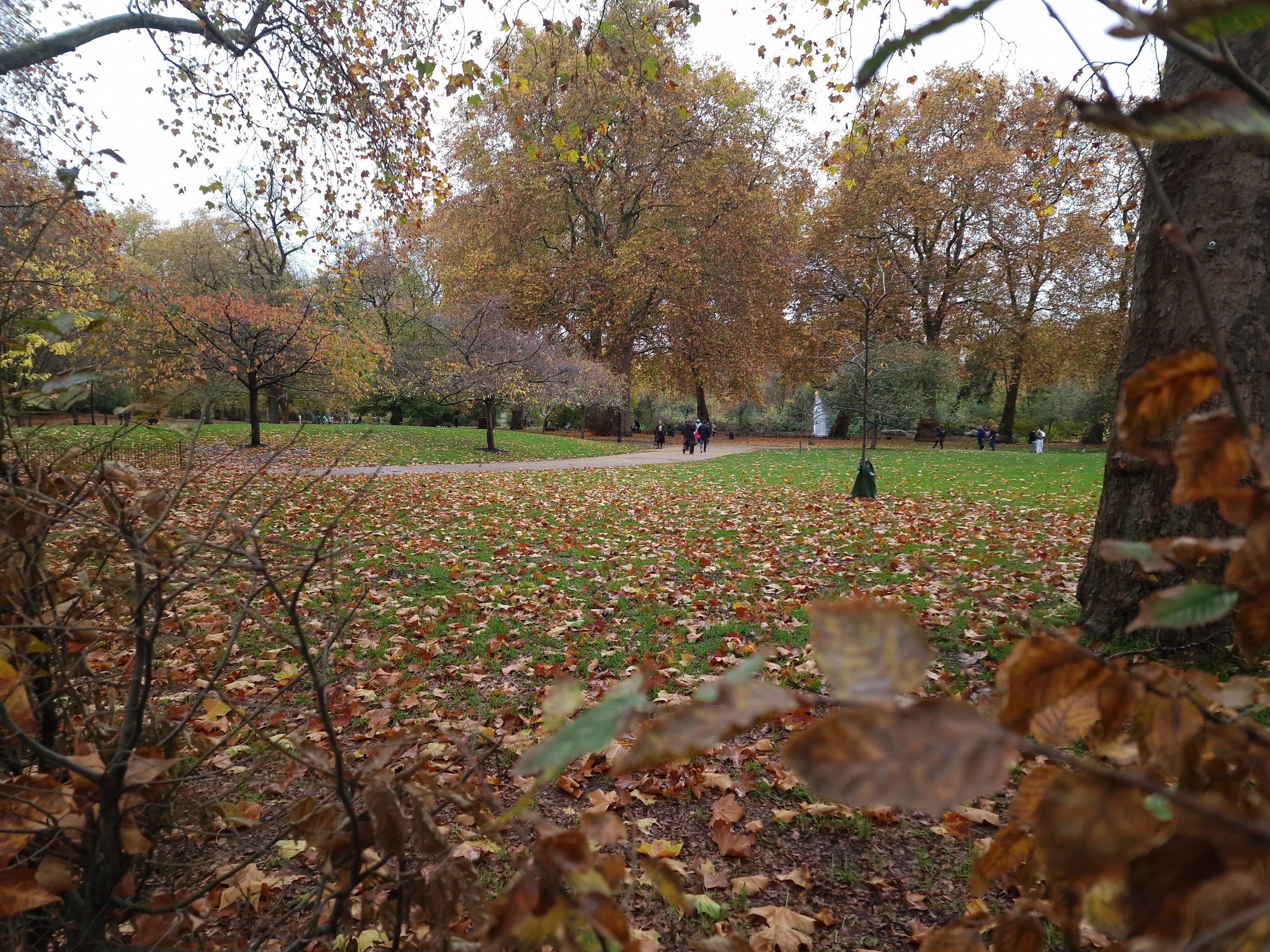
Even seperated from her twin, the Kensington Gardens, Hyde Park is the largest of the Royal parks in central London. It is the iconic location of many concerts, it houses the Speakers’ Corner and it hosted the Great Exhibition of 1851.
| 🎫 Tickets | Free entrance |
| 🕐 Opening hours | Pedestrian gates 5am – midnight |
| ⏱️ Time needed | 1 hour (and another for Kensington Gardens) |
| 📚 What to visit? | Speaker’s Corner The Serpentine Lake Diana Memorial Fountain |
Hyde Park
London
United Kingdom
For more information on the other Royal Parks, check out our article!
On this page…
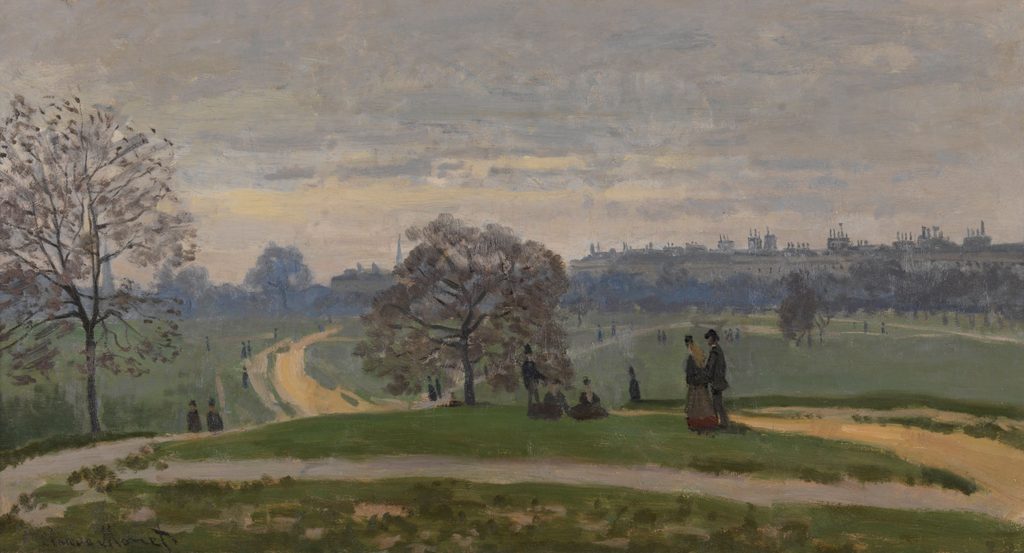
Hyde Park is probably the most famous of all the Royal Parks. It is known for it’s concerts, it’s commercial Winter Wonderland and it’s many, many monuments.
On Hyde Park
General information
Without a doubt, Hyde Park is the most famous of the Royal Parks. Maybe even of all the parks and green spaces in London. It has a lot to offer the many visitors: the Diana Memorial Fountain, rose gardens, Speaker’s Corner, the Serpentine Lake, Victoria Gate,…
The park is an Historic Grade I-listed urban park. It has seen many historic events: from Parliamentarian encampments in the Civil War to a large Crystal Palace during the Great Exhibition (1851), and from speeches on Speaker’s Corner to world famous concerts in the vast green spaces.
Hyde Park is only half a story. I recommend first time visitors to take the time needed to visit both Hyde Park and it’s twin next door, the Kensington Gardens. We love to explore the different vibes these parts of a whole each have on offer.
(The park used to include both Hyde Park and Kensington Gardens, but they were formally seperated under King William and Queen Mary, who built their new palace on the edge of the park.)
The vista from the bridge over the Serpentine, seperating these to parks, to Westminster Palace is one of thirteen protected vistas of the London View Management Framework.
History of the park
Henry VIII acquired Hyde Park from Westminster Abbey in 1536. While nowadays, these parks are considered two separate but neighbouring green spaces… It opened to the public as early as 1637. And it was ‘only’ in 1689 that the two parks got separated. Were it not for this separation, Hyde Park (and not The Regent’s Park) would be the largest park in central London.
Highlights
While there are many, many, things to visit during your walk through the park, here are a few recommendations:
Speakers’ Corner
This famous spot takes Free Speach very seriously. Originating as the place where those condamned to be hanged at the Tyburn Gallows could give a final adress, the last 250 years saw the place grow into a spot where you could give / listen to speeches on just about any subject.
Famous people that adressed the park crowds include Karl Marx, Emmeline Pankhurst, Vladimir Lennin and George Orwell.
The Serpentine Lake
Fancy a boat ride? You can hire a pedalo or a row boat for your very own adventure on the water. The lake is one of the first manmade bodies of water that was made to look like a natural occuring pond.
The Serpentine Lake is the eastern part of a bigger water system. The western part, located in Kensington Gardens, is called the Long Water.
Marble Arch
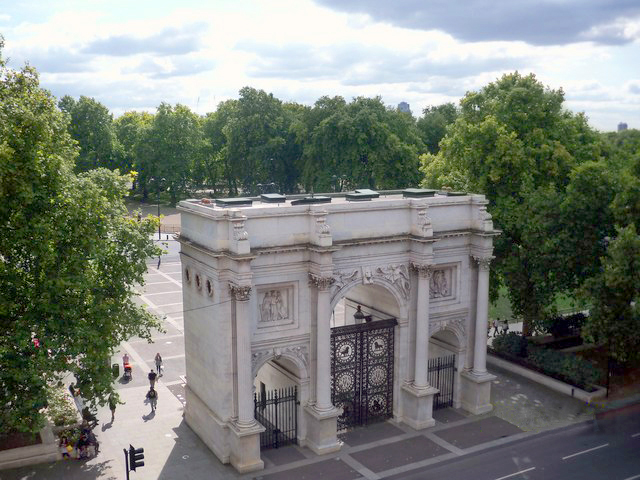
Marble Arch orginated as the formal gateway to Buckingham Palace but was moved to Cumberland Gate at Hyde Park at the time of the Great Exhibition.
The arch was designed under Prince Regent, later King George IV, by John Nash. It was build as a Triumphal Arch to commemorate victories in the Napoleonic Wars.
Diana Memorial Fountain
One of the main focal point for many tourists that visit Hyde Park, is the Diana Memorial Fountain. It was build to commemorate the late Lady Diana, Princess of Wales. The design reflects the swirling nature of the Princess’ life, aswell as her openness.
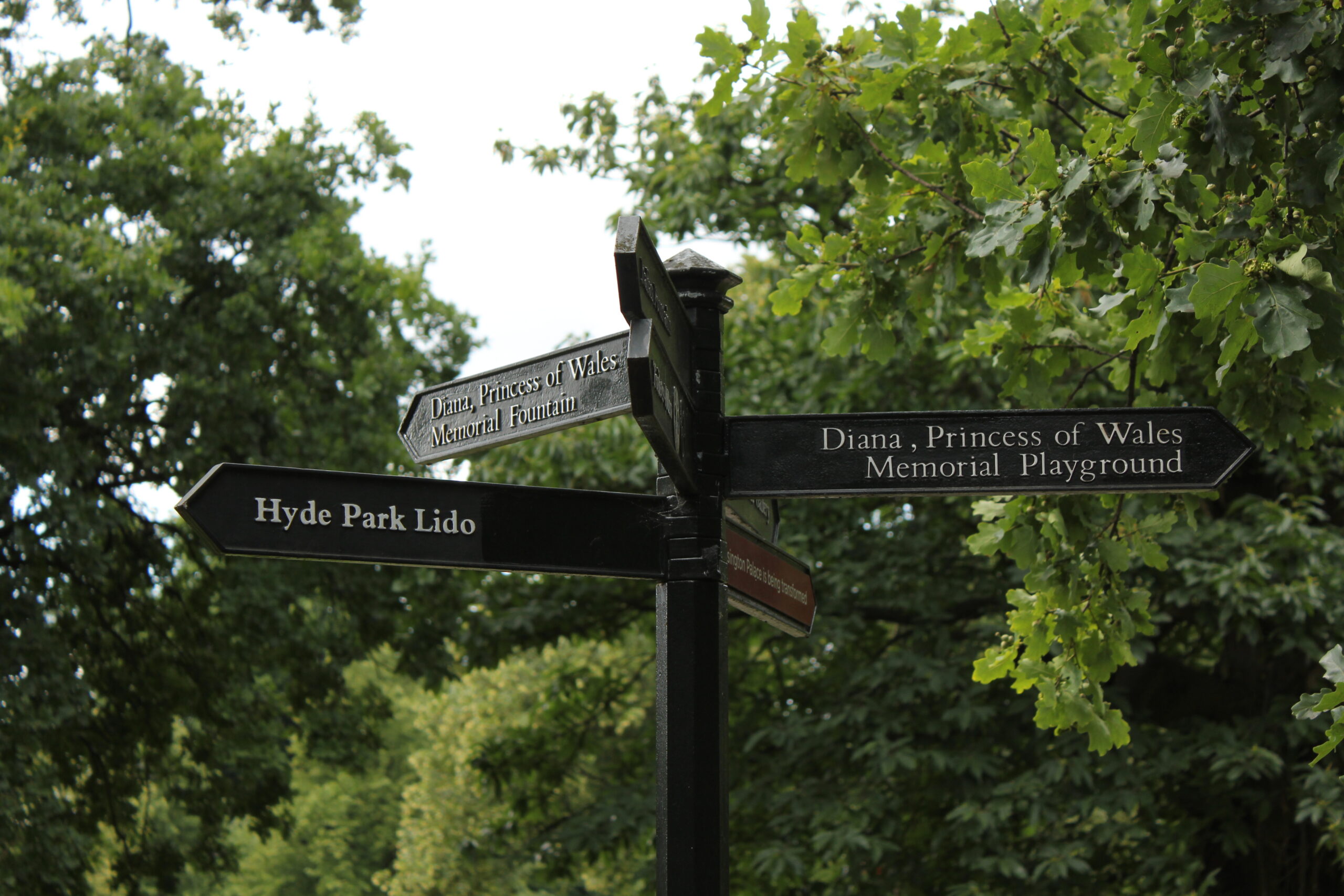
In Kensington Gardens you can also find the Diana Princess of Wales Memorial Playground.
… and more!
- No less than 18 monuments feature on the parks list. Among them are monuments such as the Animals in War memorial, the Boy & Dolphin fountain, the Holocaust Memorial and the 7 July Memorial.
- The Royal Parks have a long tradition of hosting big events. The Hyde Park is especially famous for doing so. Many big concerts and other live events were held on it’s grounds. From the Great Exhibition (1851) to the late Queen’s Platimum Jubilee, from the Rolling Stones over Pavarotti to Live 8 and many more concerts.
- For those who love a big, commercial Christmas festival, during the winter months, there is also the Hyde Park Winter Wonderland.
Discover them on this map, on the official Royal Parks website!
More on the Royal Parks
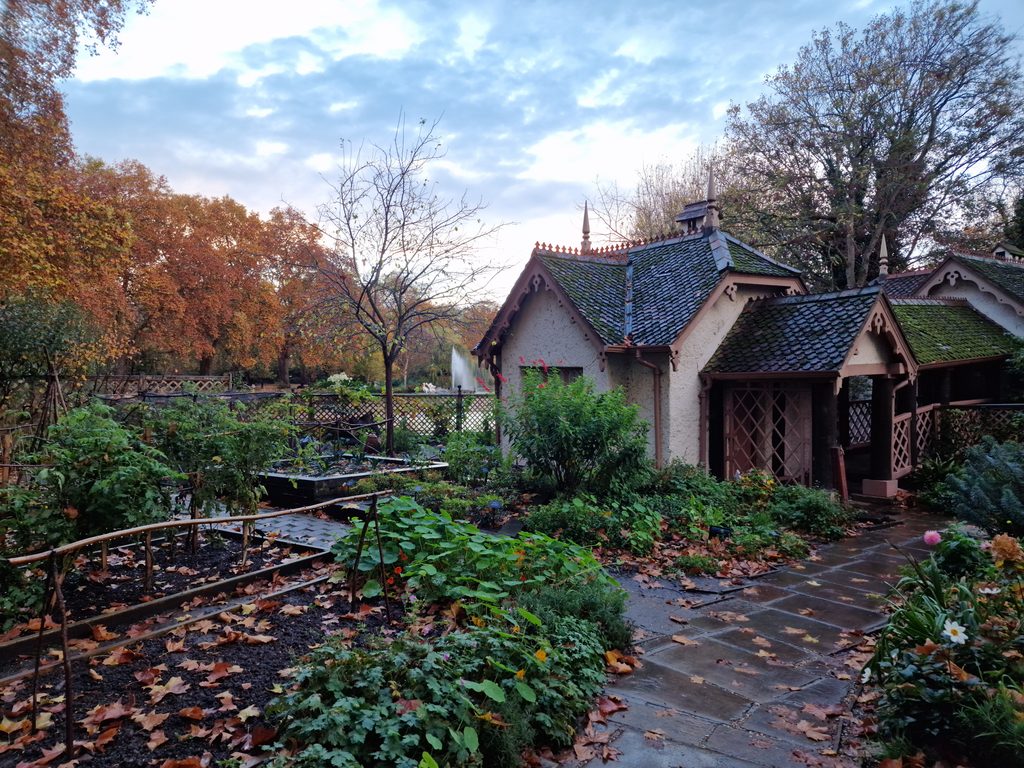
The Royal Parks are among the most famous and well-visited. They served as leisure grounds for the Crown, but have long since opened up to the public. From Kensington to Greenwich, they serve to help Londoners to relax and to take a break from the bustling city life…
The Royal Park maintains ten parks out of there central offices in Hyde Park. You can read more about them here:
‘London is a forest.’ It is an often used way to describe how much green space the city realy has. Much of that can be attributed to the Royal Parks, parks owned and managed by the crown and open to the public.