When planning a trip to Tokyo, it is good to have a feel of the city. But getting around can be confusing. Especially when terms like ward, city and neighbourhood get used seemingly interchangeably in the many lists of place to visit you can find online. (Spoiler alert: a ward and a neighbourhood are not the same.)
On this page…
Difference between a ward and a neighbourhood
23 tokubetsu-ku, special wards
The core of what we think of as Tokyo (東京) consists out of the 23 special wards that used to make up Tokyo City. However: formally the old Tokyo Prefecture and the old Tokyo City were dissolved in 1943 with the establishment of the Tokyo Metropolis. Besides these 23 wards, the Tokyo Metropolis also includes various towns and suburbs in the Tama area to the west, and even two island chains known as the Tokyo Islands. One level up, there is the Greater Tokyo Area that also includes some neighbouring prefectures.
The 23 tokubetsu-ku or special wards have higher authority compared to wards in other cities. Their names all end in 区, Ku, meaning ‘ward’. (In English it is also often translated into city.) The cities to the east have official names ending in 市, Shi. And the Metropolitan area has its own ending too: 都, To.
Neighbourhoods
What we often mean when talking about places to visit in Tokyo, are mere neighbourhoods. These are areas within one or several of the wards. For example: Akihabara is part of Chiyoda Ward. Asakusa can be found in Taitō Ward. And the Ginza area belongs to the Chūō Ward. Chances are you know the names of the neighbourhoods, but you’ve never heard of most wards. (Notable exceptions are places like Shibuya and Shinjuku, where certain neighbourhoods gave their name to the whole ward.)
Popular neighbourhoods to visit
Now that we know the difference between wards and neighbourhoods, let’s explore Tokyo! The areas we list bellow are by no means an extensive list of all the places you can visit within the ‘city’ of Tokyo, but they offer a good list for first-time visitors.
The energy of Shibuya & Shinjuku
All that talk, and we start with two wards on this list? Well… Yes, and… No. When talking about these places, we are also talking about specific areas within the wards of the same name. Both of these areas have a similar (but unique) high-energy vibe and are built up around very busy railway stations. In fact: these stations share the top spots of busiest passenger railway stations in the world, with Shinjuku alone handling over 3.5 million passengers daily.
And they both are neon-lit by night. While in Shinjuku you can get lost in the bar streets of the very retro Golden Gai and Omoide Yokocho. In Shibuya you have Nonbei Yokocho as well as the younger Takeshita-dori in Harajuku and the gay nightlife of Ni-Chome.
For all the hustle and bustle both of these areas have to offer, the calm Meiji Jingū sits on the border of their respective wards. And there is no lack of other green spaces either. Both Yoyogi Park in Shibuya, and the famous Shinjuku Gyoen National Garden attract their fair share of visitors to the area.
The nerdiness of the Akihabara, Harajuku and Ikebukuro areas
Let’s not get mixed up here. An otaku is a certain kind of geek or nerd, while Ota-ku is a special ward. Here, we clearly are talking about the former! And gosh! Does Tokyo have a lot to offer to otaku… From manga store to maid cafe, from electronics outlet to arcade: Here you can find it all!
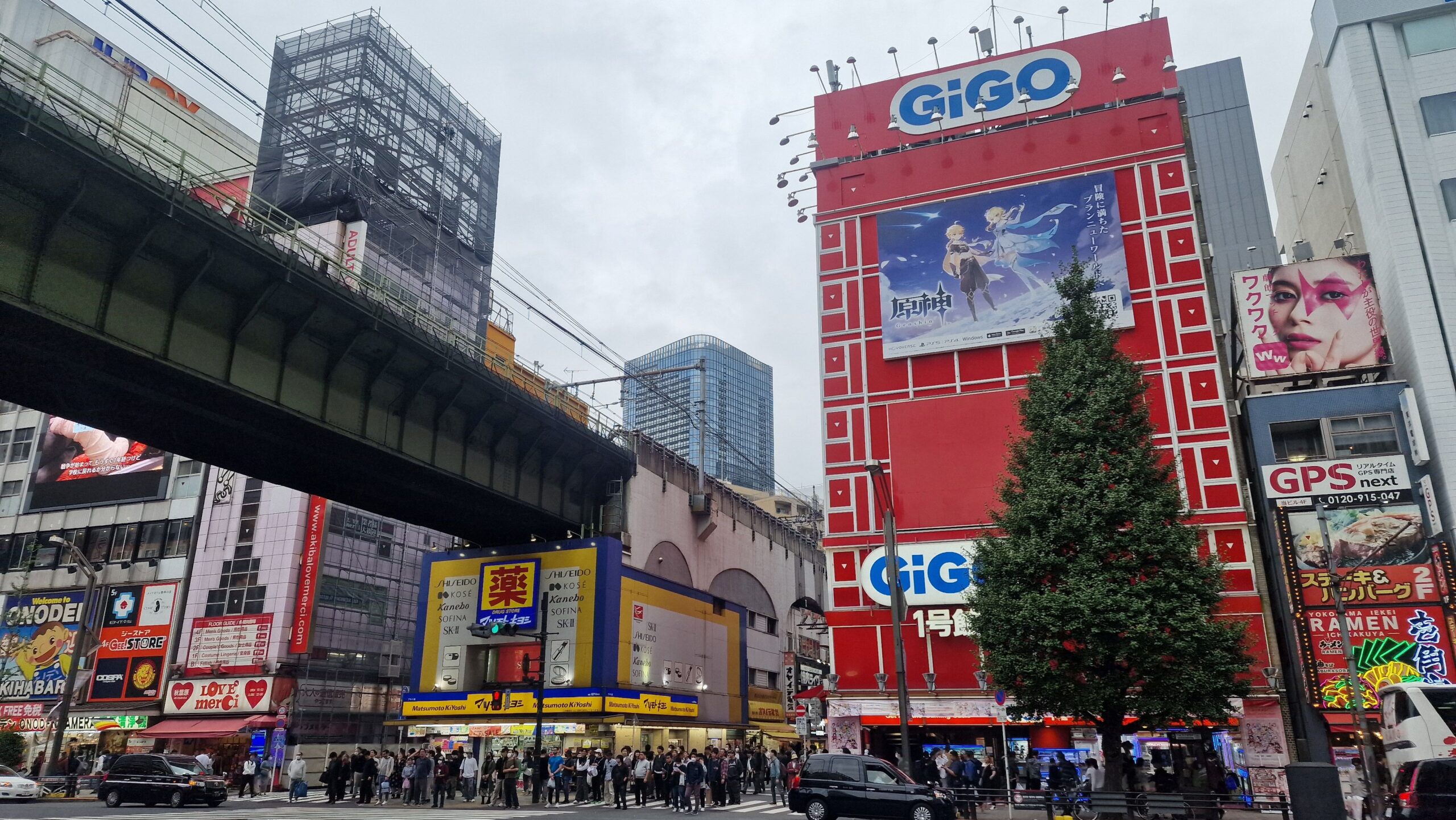
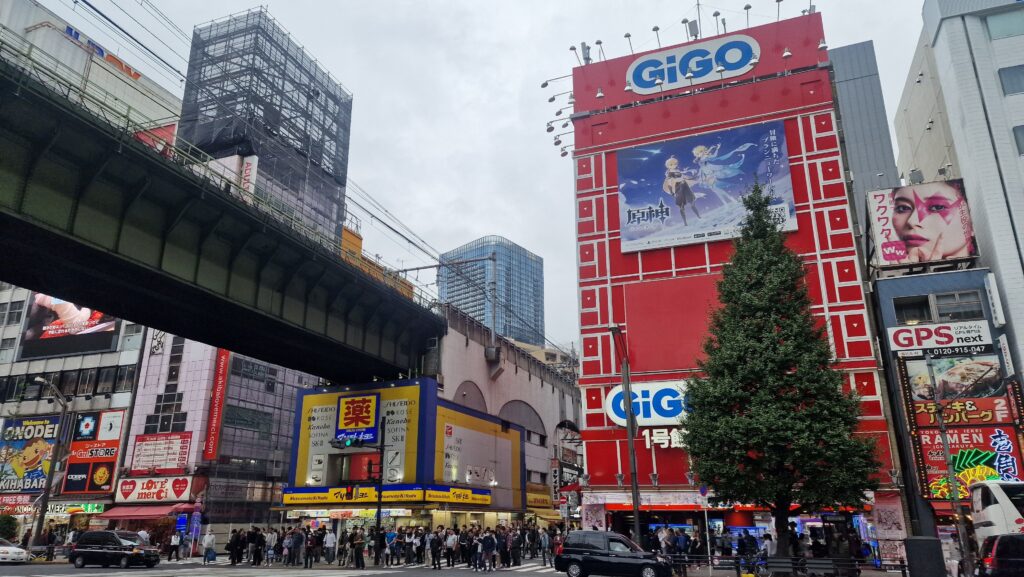
Akihabara Denki Gai, Akihabara Electric Town in Chiyoda Ward, became a black market after the war. As it thrived, the area became gentrified and the many alleys became filled with shops specializing in electronic household appliances in the Fifties. A second shift in business happened in the Eighties when the focus moved to home computers. This ultimately led to the broadening of the market place to ‘all things otaku’, ranging from computer related goods to games, manga and anime.
Another place you can find people with slightly geeky tendencies, is the colourful Harajuku. Takeshita-dori offers vintage clothing stores as well as cosplay shops. The street also offers a multitude of highly Instagrammable food and snacks. The Omotesandō connecting Minato to the Meiji Jingū, runs through this neighbourhood too. It is lined with zelkova trees and trendy shops alike.
Ikebukuro has the third busiest railway station, the Tokyo Metropolitan Theater, a sizeable Chinatown, and… Otome Rōdo (Maiden Street). It is the hotspot for manga and anime aimed predominantly at women. The street also gets called Fujoshi Street (a fujoshi being a fan of BL, or yaoi).
Asakusa and the Sumida River area
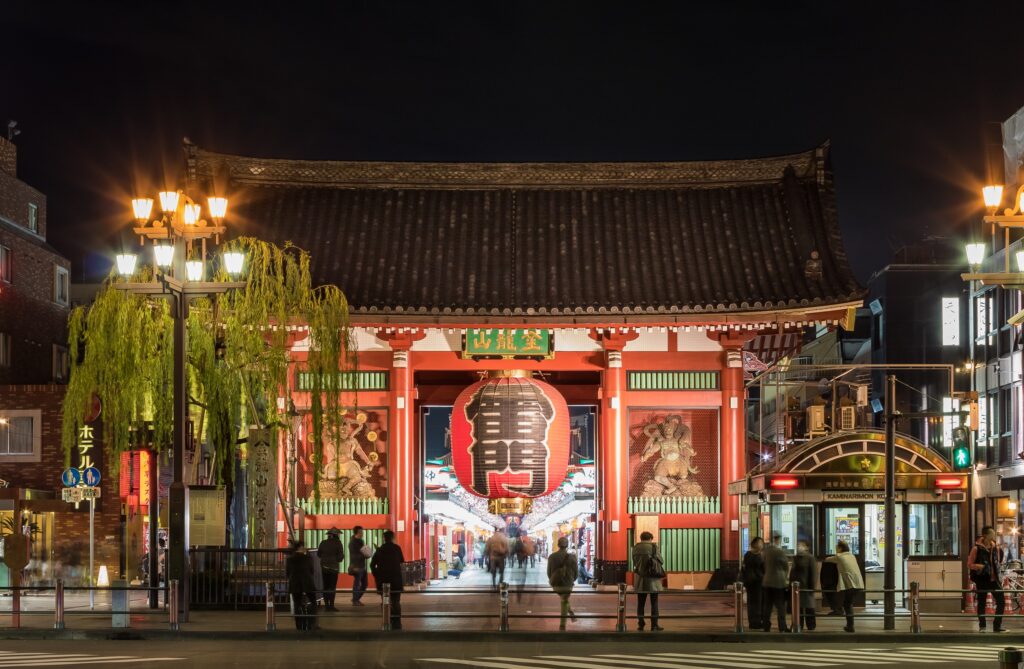
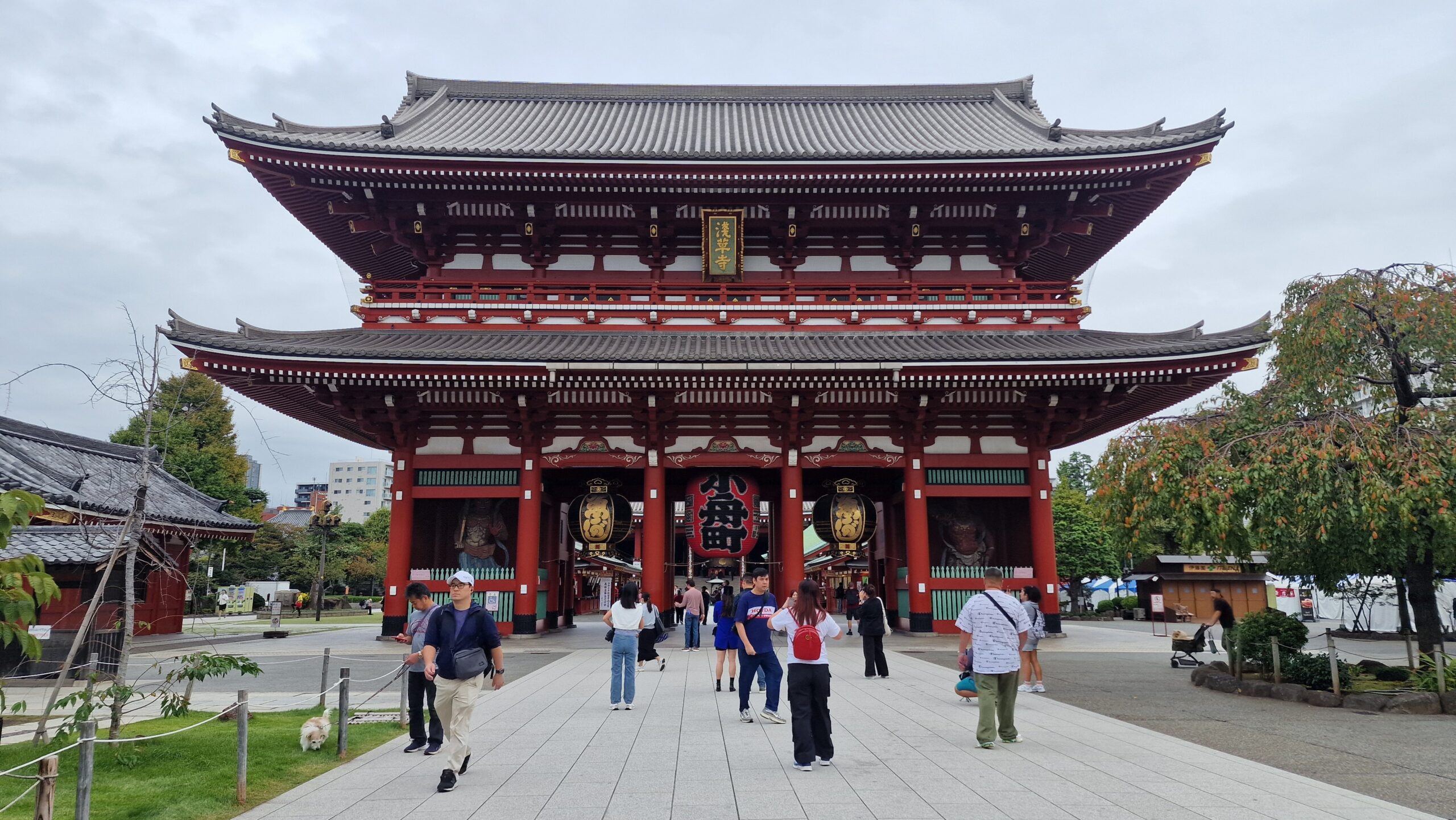
Asakusa, in Taitō Ward, is most famous for Sensō-ji, the oldest and arguably most important temple in the whole of Tokyo. But the area has more to offer!
Next to the temple, there is a Shinto shrine, Asakusa-jinja. It survived the 1945 firebombing, and it holds a National Important Cultural Property designation since 1951.
A stone’s throw away, you find Hanayashiki, the oldest amusement park in Japan. It first opened in 1853, at the end of the Edo period. The park suffered greatly under the fires that followed the Great Kantō Earthquake of 1923 and the park even needed to be destroyed in 1944 to make way for firebreaks, under the Air Defense Law. It was however rebuilt in 1947.
For those craving the glory of days gone by, there is the subterranean street of Asakusa Chika Shotengai. It is one of the oldest underground shopping streets in Japan and it connects the Tobu Asakusa Station with Shin Nakamise Shopping Street.
The Sumida River with its riverside park form the south-eastern border of the area. It offers great views of the Asahi Beer Tower in Azumabashi, and the Tokyo Skytree in Oshiage, both in Sumida Ward on the other shore.
Ueno and its Park
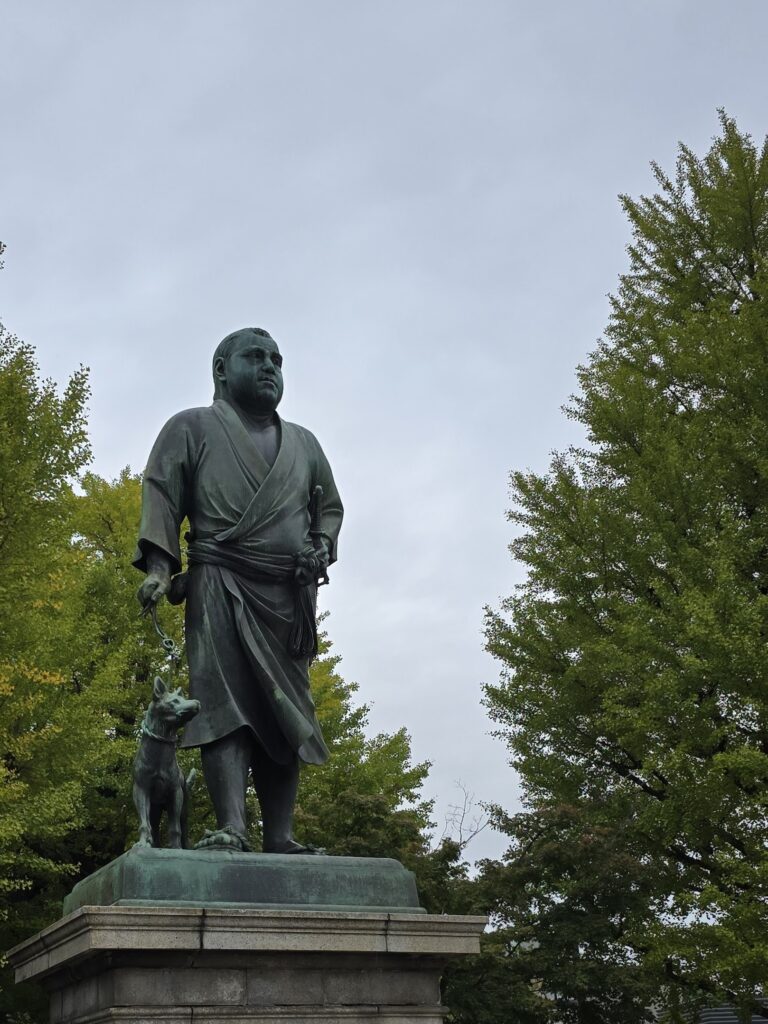
The Ueno neighbourhood is almost synonymous with the Ueno Park, or Ueno Onshi Koen.
It includes several museums, the Ueno Zoo and three places of worship: the Tōshō-gū enshrining Tokugawa Ieyasu; Kiyomizu Kannondo with its image of Kosodate Kannon, and what is left of the Bentendo, in the middle of the Shinobazu pond. It also features a prominent statue of Saigo Takamori, the commanding general of the Satsuma and the Imperial Forces in the Battle of Ueno in the Boshin War.
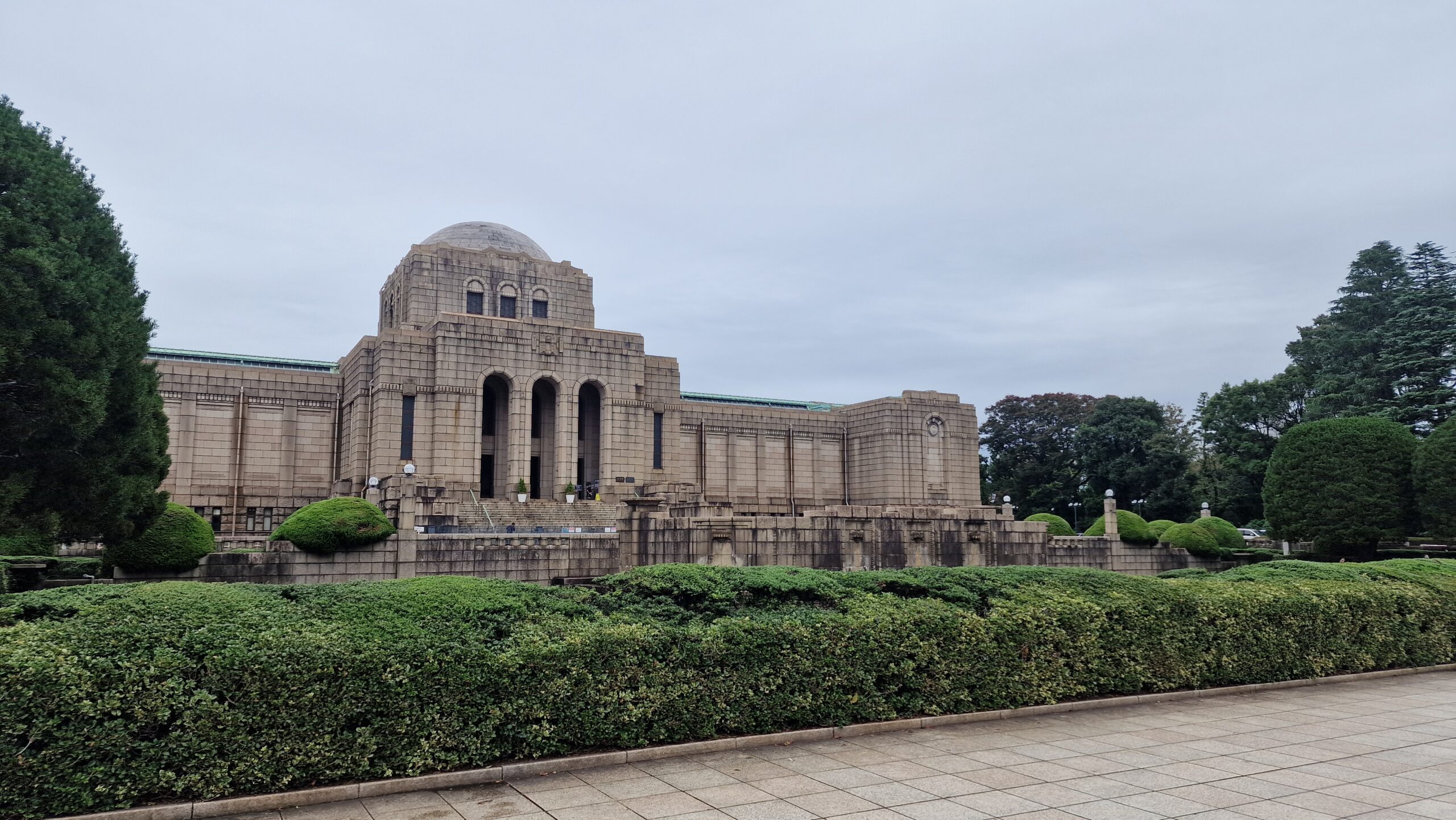
The Tokyo National Museum is ideal for those wanting to get an introduction in Japans history and culture. The National Museum of Nature & Science focuses on natural history, geology, animal research, botany, engineering,… The National Museum of Western Art displays centuries of European art in a modern building designed by Le Corbusier (designated as UNESCO World Heritage). Tokyo Metropolitan Art Museum does not have a permanent collection, but it offers temporary exhibitions. The Shitamachi Museum shows life in Tokyo from the late Meiji to the early Shōwa period.
Close to the park, there are the Tendai Buddhist Kaneiji Temple (Tōeizan Kan’ei-ji Endon-in) and Ameya Yokocho, often shortened down to Ameyoko, or Candy Store Alley.
Central Tokyo
To round our tour in the 23 wards up, let’s take a stroll through the central core of Tokyo: the wards of Chiyoda, Chūō and Minato.
Ginza is located at the back of theTokyo Station, in Chūō Ward. It is known as an upmarket, luxury shopping area. Marunouchi, in Chiyoda Ward, is the business and shopping district in front of the station. It features skyscrapers, the expensive Nakadori Avenue and a connection through to the Imperial Palace Gardens.
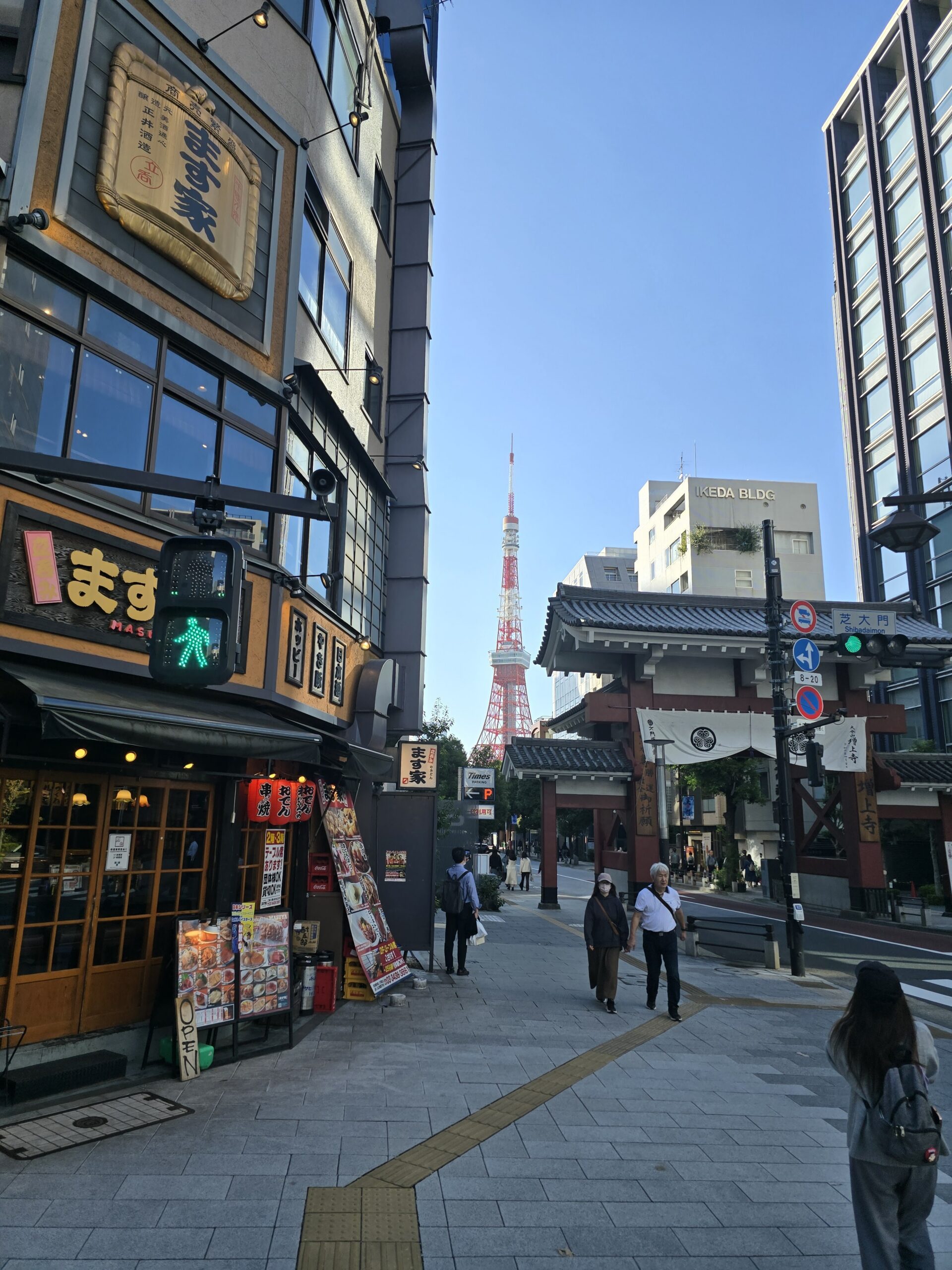
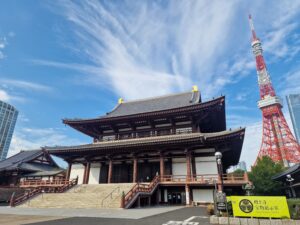
In Minato Ward, next door, you can find the upscale Roppongi area with both commercial and residential complexes, but also the Mori Art Museum, night clubs, embassies and more. The Shiba-koen area features the famous Tokyo Tower and the Zōjō-ji. And Aoyama is known for the fashion houses, cafes and restaurants. It is also where you can find the start (or end) of the Omotesandō that runs from the area to Meiji Jingū.
On the other side of the water, on the artificial islands, Odaiba lies on the border between the wards of Kōtō, Minato and Shinagawa. it is connected to the mainland via the Rainbow Bridge. While originally built for defence, the port islands now mainly serve pleasure. The Miraikan (Japan’s National Museum of Emerging Science and Innovation), the Fuji Television Headquarters, Tokyo Big Sight, a replica of the Statue of Liberty, the DiverCity Tokyo Plaza shopping mall,… are all located in the area.
Outside of the 23: Mount Takao (Hachiōji City)
Somewhat atypical, but not unheard of, in these lists featuring things to visit in Tokyo: Takao-san (高尾山). This mountain in Hachiōji, in the very west of the Greater Tokyo Area, is technically still considered Tokyo. The mountain is 599 meters tall and part of the Meiji no Mori Takao Quasi-National Park.
The mountain is a popular hiking spot that features eight different trails. On top of the mountain lies Takaosan Yakuōin Yūkiji, a Buddhist temple renowned for its Shugendō (the mixing of Esoteric Buddhism, Shinto, mountain worship, and other influences). Pilgrims come here to offer prayers to Izuna Daigonge and his messengers, the Naigubu. These tengu are considered protective, if still dangerous, protectors of the mountains and forests. They are seen as yōkai (supernatural beings) or by some even as kami (‘gods’ or spirits) in their own rights.
The most popular route, ‘trail number 1’, is paved and hits all the must-see sites. The other paths are narrower and attract fewer crowds. There also is a cable car as well as a chair lift that take you halfway up.